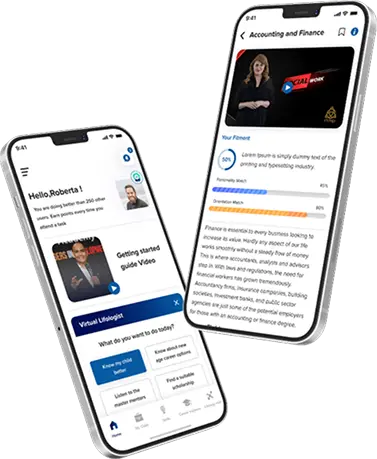
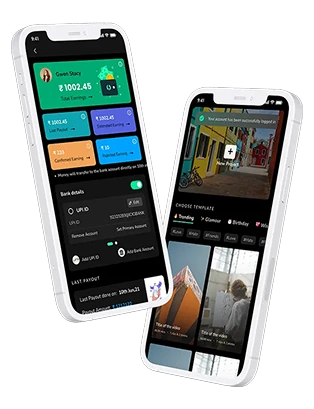
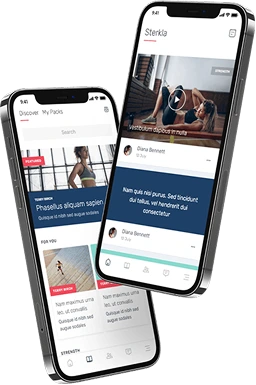
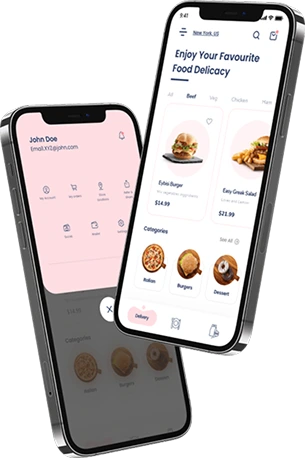
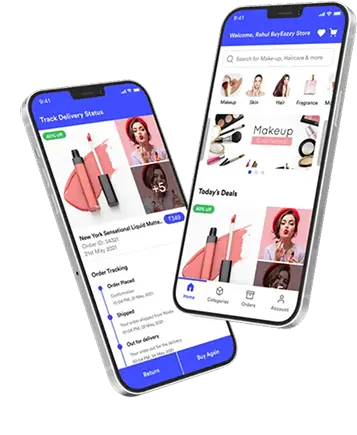
We recognize that the real estate industry is complex and can consist of many different business types and models (e.g., developer to property manager). For this reason, we develop custom apps for each type of business, user need, or market demand. All of the following types of real estate apps can be found within our product line.
With so many stakeholders in the construction process - general contractors, subcontractors, architects, plus the different timelines for each entity and multiple resources, it can be overwhelming trying to manage a construction project. Project management applications streamline this process as well as provide better visibility into the progress of a given job.
AI is changing the way we do business in the real estate industry. AI-powered apps create individual user experiences that utilize large amounts of data to create a better user experience.
Financing is an important component of conducting business within the real estate environment. Our mortgage or payment apps simplify some of the complexities of financing and make it easier for buyers and investors alike to process financial transactions.
Retail Apps serve as intermediaries between prospective buyers, sellers, and real estate agents, allowing users to browse through available real estate listings, compare different homes for sale, and ultimately make informed purchases.
Real estate brokers have many responsibilities to juggle daily, including taking care of leads, contacting potential customers, organizing home showings, and closing deals every week. Our Realty & CRM applications are developed to provide brokerages with easier processes for completing these daily tasks and streamlining workflows.
For many landlords and property managers who manage a variety of rental properties at once, it's often difficult to manually keep track of all of the day-to-day operations that take place daily in a property.
Real estate applications have been changed significantly by Artificial Intelligence (AI), which provides more intelligent and tailored experiences. User behaviours, preferences, and search habits are all assessed so AI can suggest homes for sale that will best suit an individual's requirements.
Machine Learning (ML) is often used to forecast house prices and demand and estimate future market trends. Machine Learning algorithms can look back over historical data and across geographical trends as well as economic indicators, in order to predict the value of a house more accurately than in the past.
With Virtual Reality (VR), potential buyers are able to "walk" through homes or apartments in a completely immersive environment from any location in the world, enabling them to get a sense of how big a space is without having to physically visit that space. With Augmented Reality (AR), potential buyers can see what a furnished space might look like by overlaying digital imagery onto the actual location.
The Internet of Things (IoT) enables smart devices to communicate with one another, creating intelligent living environments. Within the realm of real estate applications, IoT can be utilized in conjunction with smart homes, enabling users to remotely control lighting, security, the thermostat, and major appliances from their mobile devices.
Real estate applications can securely use the cloud to store property listings, user data, images, and video while guaranteeing that everything remains accessible and performs at a high level. This access to cloud services also provides features such as real-time updates, data backups, and the ability to access from multiple devices.
With blockchain, real estate transactions will be handled with added transparency, security, and trust. Blockchain allows for secure and tamper-proof records of property ownership, contracts, and financial transactions. Smart contracts, which are self-executing contracts stored on the blockchain, can help automate real estate transactions.
Big Data Analytics is used to process big data and analyze it to discover business insights. Businesses will gain insight into which areas have the highest demand for properties, how to optimally price their properties, and get an idea of their targeted customer base.
Security is always a consideration in any industry, and as more consumers continue to conduct multiple transactions digitally, they are transmitting a greater amount of sensitive personal information. Therefore, they invest heavily in using advanced technology to provide data encryption, multifactor authentication, and secure APIs for all transactions, user content, and user content.
Developers with ample industry experience can provide valuable domain knowledge that leads to well-built applications with the proper features and functionality, whether it is by addressing the complexities of property listings or bringing location-based services to bear on the application.
In a fast-paced environment of competition in real estate, speed is essential. Partnering with a team of experienced developers will help accelerate the application development process through proven methodologies and pre-built solutions.
Each real estate business functions differently and requires a customised solution. A professional development company will create a tailor-made solution for your specific business requirements, whether you are a brokerage firm, property management company, or marketplace platform.
Working with technology experts will provide access to the latest technologies without having to have an in-house technical expertise. Development companies will have access to advanced technologies and capabilities, including AI-based recommendations, virtual real estate tours, real-time communication, and secure payment gateways.
As time goes by and your company expands and grows larger, it will require a more robust application that can handle the increased volume of users accessing it, as well as a larger database of products available for sale, and additional capabilities that you may want to include in the future.
Once you have launched your product, you will need a solid partner in development to provide ongoing support for your application so that it continues to operate efficiently and effectively. Areas of support from that partner include: bug fixes, upgrades, enhancements to functionality, enhancement of system performance, and any changes related to the applicable OS changes.
When selecting a technology partner for a real estate app, many companies consider more than coding talent — they want a partner with real estate knowledge, scalability, innovation, and long-term dependability. Aarmeh provides total-cycle assistance to develop, launch, and grow your real estate digital product.
Aarmeh's experience and deep understanding of the many workflows associated with real estate (brokerage, property listing, tenant management, investment platforms, etc.) allow us to bring value through our extensive real estate domain knowledge.
For you as the business, this translates into having to have only one vendor/team to handle your project from beginning to end, which creates a high level of accountability, consistency, faster execution, and better alignment to your business objectives.
The use of Artificial Intelligence (AI) has increased over recent years in many sectors, especially for modern real estate platforms. The Aarmeh platform utilizes AI to support the functionality and improve end-users’ experience.
Aarmeh utilizes cloud-native applications in its build-out process to provide a solution that can quickly scale with your business as it continues to grow and expand. This is critical for real estate companies that start with one city and then continue to grow across multiple cities and geographies.
As a rule, any real estate application may involve sensitive information, such as PII (Personally Identifiable Information), financial transactions, and legal documents. For this reason, security is of the utmost importance within real estate applications. Techugo implements many security measures, such as encryption and Role-Based Access Control.
Integrating analytics and reporting into your real estate platform will help provide valuable information on user behaviour, lead generation, conversion rate, and the overall success of your real estate platform.
As an end-to-end real estate app development company, we provide UI/UX design, custom app development, backend integration, API development, and ongoing maintenance of real estate mobile applications.
Yes! We create applications for both Android and iOS platforms using both native technologies and cross-platform frameworks such as Flutter and React Native.
The timeframe for development of a real estate application may vary depending on the overall complexity of the application. However, a standard real estate application typically takes between 3 to 6 months to complete.
Yes! We are experts at integrating MLS, IDX, and many other third-party service API’s to ensure that your real estate application possesses real-time property listings and updates.
The most popular features for a real estate application include property search functionality, filtering capabilities, mapping integration, virtual tours, chat functionality, push notifications, mortgage calculators, etc.
Yes! We build all of our applications on a scalable architecture to ensure they grow as the number of users, listings, and features expands over time.
Here’s what makes us go the extra mile!
We'll start by scheduling a call to explore your vision. After our discovery sessions, we’ll craft a detailed proposal. Once approved, our team will jump right into action.
Skip the wait — simply book a call with us directly.
Partner with us to bring your vision to life.